Systems review · no corporation buzzwords
Free systems review
A honest mirror before anyone invoices you for the wrong build.
01
The situation
You know something is wrong — too many tools, too many workarounds, too much firefighting — but not where to start. Vendors pitch platforms; your team shrugs; Tuesday still hurts.
Everyone has a theory: buy Salesforce, hire a dev, fix the spreadsheet, change the process. Without a shared picture of how work actually runs, every meeting becomes opinion tennis.
The cost is rarely the subscription line on the invoice. It is the re-key, the chase, the Friday reconciliation, and the decisions made from numbers nobody fully trusts.
02
What you get
We walk how work actually runs: who touches what, where truth lives, and what is costing you in hours and mistakes. You leave with plain language for the next meeting — and a ranked sense of what to fix before anyone sells you a build.
This is a conversation, not a surprise audit invoice. We mirror the mess back clearly — including when the honest answer is discipline, ownership, or a spreadsheet — not another login.
You get a short written follow-up if useful: handoffs, leaks, and recommended next steps you can action with us or hand to another vendor without losing the thread.
03
In the session
- Live map of handoffs, workarounds, and where data is re-keyed
- Named system(s) of record — or the argument about which number is true
- Honest build-vs-buy pressure test — spreadsheet and process included
- Ranked next steps by relief, risk, and who must own the result
- Plain-English summary you can use in a board or ops meeting
- No surprise scope — you are not buying a hidden discovery phase
→
How the review runs
Sixty to ninety minutes — enough to name the leaks, not a surprise discovery invoice.
Step 1 Before the call

Book & set context
You bring one real slice of work — a job, a customer, a month-end — and who touches it. No polished deck required.
Step 2 On the call
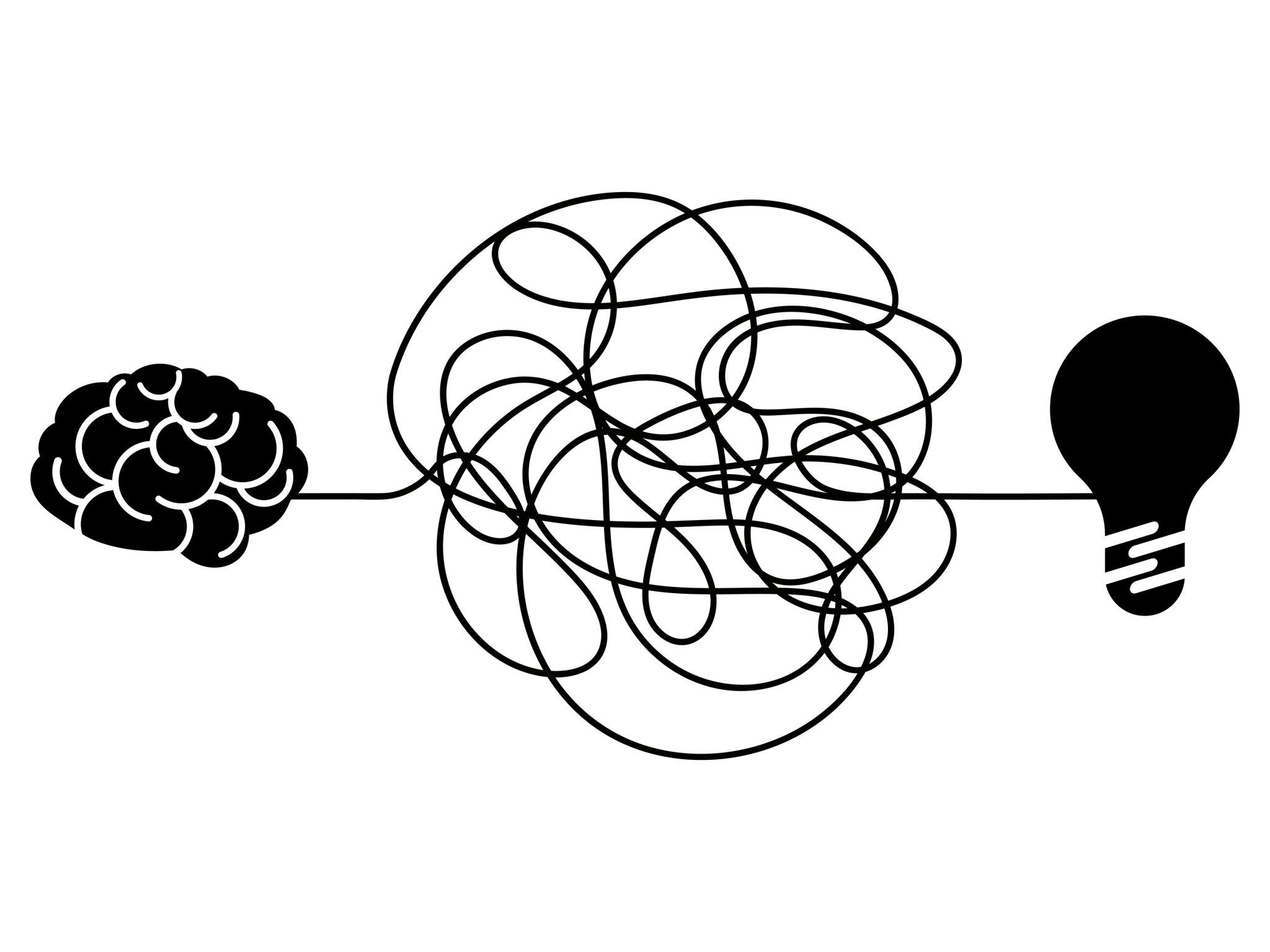
Walk how it actually runs
We trace start, stop, handoffs, and where truth lives — including the spreadsheet, inbox, and workarounds nobody puts on the org chart.
Step 3 No theatre

Mirror the mess back
Plain language for what is costing hours and mistakes — including when the honest answer is ownership or discipline, not software.
Step 4 You leave with

Rank what to hit first
A shortlist by relief, risk, and who must own the result — fix process, wire tools, build, or wait — with reasons, not a default SaaS prize.
Written follow-up if useful — handoffs, leaks, and next steps you can action with us or hand to another vendor.
04
Signs this might be you
- Too many tools and nobody can draw the flow on one page
- Every improvement proposal starts with “which version of the process?”
- Vendors are in the room but nobody technical can push back
- The same customer fact lives in email, CRM, and a sheet — and they disagree
- Firefighting is normal; planning feels like luxury
- You want a second opinion before signing a big build or renewal
05
What we look at in the session
Start and stop: what triggers work, what “done” means for the customer, finance, and ops — often three different pictures.
Handoffs with names: who touches the record next, where it waits, and what breaks when someone is on leave.
06
What you walk away with
Language the room can reuse — not jargon to impress, labels for leaks you already feel.
A ranked shortlist: fix process, wire tools, build custom, or do nothing yet — with why, not a default prize of shelfware.
→
Good fit when
- You suspect waste but cannot point to it yet
- You are about to sign a build, hire, or renewal and want a blunt second read
- Leadership and front line need a shared baseline before spending
×
Probably not when
- You need a full documented audit pack — that is the process audit brief
- You want a quote without discussing how work really runs
- You are shopping for validation of a decision already made